
ABOUT THE DRISKILL GRILL


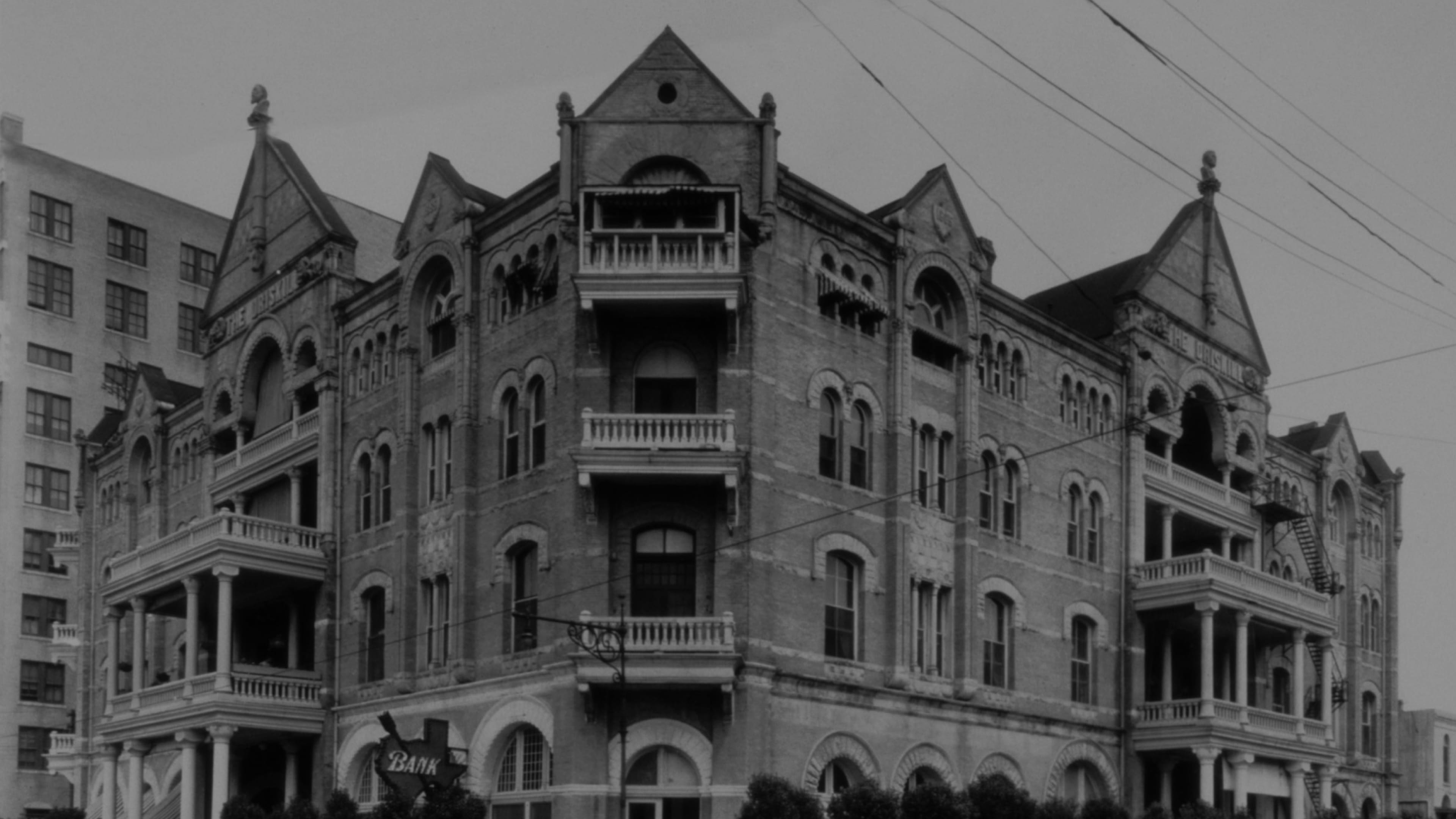
Since 1886, The Driskill has stood at the heart of Austin's story — welcoming legends, shaping the soul of the city, and defining a distinctly Texan standard of intentional hospitality. Now, reimagined by MML Hospitality in 2026, The Driskill Grill returns as a classic American steakhouse worthy of that legacy.

center diamondcenter diamond

History

2026

Under the creative direction of MML Chef April Bloomfield, Executive Chef Nick Erven brings a bold new vision to an iconic room—where dry-aged steaks, chilled martinis, and old world service meet the grandeur of Austin's most storied dining room.

2003

After the hotel’s sweeping $30 million restoration and millennial reopening in 1999, the Driskill Grill entered its culinary golden era. In 2003, Chef David Bull was named Best New Chefs by Food & Wine — putting the Grill on the national map and proving it was a serious dining destination, not just a hotel restaurant.

1969

When the hotel nearly faced demolition in 1969 and the community rallied to save it, the dining legacy lived on in a remarkable way. The Heritage Society founded the 1886 Lunchroom — stocked with recipes from the hotel’s storied past, including contributions from Neiman Marcus culinary director and “duchess of Texas cuisine” Helen Corbitt. It became Austin’s socializing parlor.

1930

The Driskill Grill formally opened in 1930, coinciding with the completion of the hotel’s 13-story annex, and quickly established itself as one of Austin’s first true fine-dining destinations. Just four years later, it became the setting for one of the most storied first dates in American history — when a young Lyndon B. Johnson brought Lady Bird Taylor to breakfast in that dining room in 1934.

1886

The dining room at The Driskill has been feeding Austin since the hotel first opened in 1886 — making it one of the oldest continuously operating restaurant spaces in the state. From the beginning, the skylit dining room was considered the most elegant restaurant in Austin, serving the city’s political class, cattle barons, and visiting dignitaries in a room that had no equal in Central Texas.